Denver Bicycle Accident Lawyer on Bicycle Lane Accidents and Liability


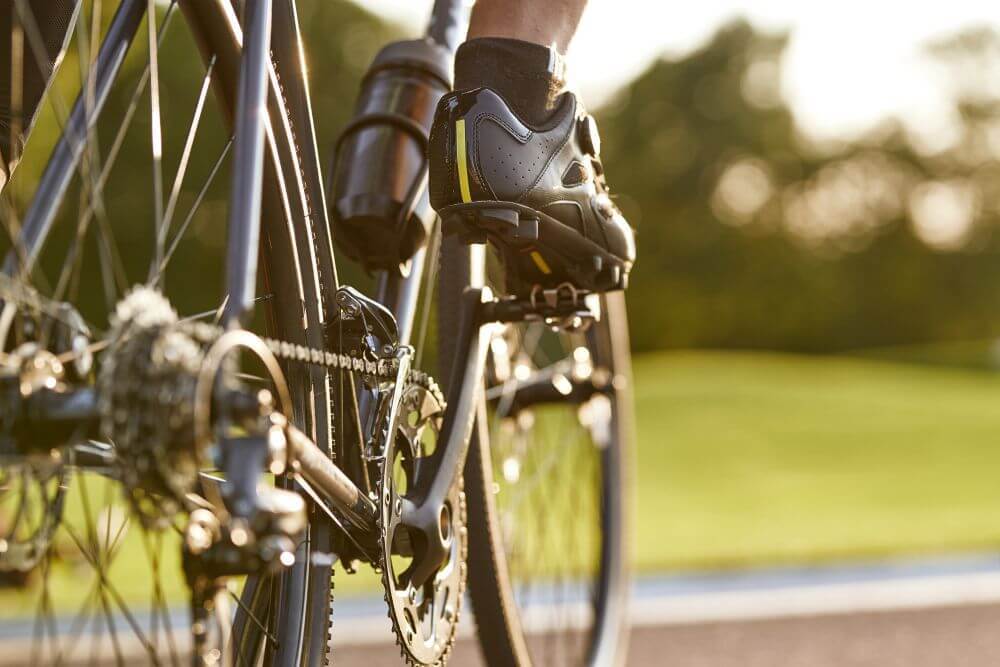
Bike lanes are supposed to create order. They give riders a predictable place to travel, separate bicycle traffic from faster and heavier vehicles, and reduce the kind of ambiguity that leads to crashes. Yet some of the most serious bicycle injury cases still happen inside or right next to marked lanes. Painted stripes help, but they do not force a distracted driver to look before turning. They do not stop a delivery van from blocking the lane. They do not fix poor road design, broken pavement, or a driver who opens a car door into a passing cyclist.
That gap between what a bike lane is meant to do and what actually happens on Denver streets sits at the center of many injury claims. When a rider is hit in or near a bike lane, people often assume fault should be obvious. Sometimes it is. A driver cuts across the lane without yielding, and the collision follows. But many cases are more complicated. The rider may have moved left to avoid debris. The driver may insist the cyclist was outside the lane. The city may have created a dangerous merge point. Witnesses may disagree about traffic signals, speed, and lane position. Liability turns on details, and details tend to disappear quickly after a crash.
A seasoned Bicycle Accident Lawyer Denver residents trust will start with that reality. These cases are not just about being on a bicycle and getting hurt. They are about proving how the crash happened, who had the duty to yield or maintain safe conditions, and how the injuries changed a person’s life.
Why bicycle lane crashes happen so often
Bike lane collisions usually come from one of a few recurring patterns. The most common is the right hook, where a driver passes a cyclist and then turns right across the bike lane. From the driver’s seat, this often happens in a moment of impatience or simple inattention. The motorist sees the intersection, checks for larger vehicles, and turns without accounting for the rider continuing straight. Even low speed right hook crashes can throw a cyclist onto pavement, into a curb, or under the side of a vehicle.
Another frequent scenario involves lane obstruction. A rideshare driver stops in the bike lane for a pickup. A landscaping truck parks there for ten minutes. A delivery van leaves flashers on and blocks the entire lane. Riders then have to merge into traffic to get around the obstruction. If a passing driver clips the cyclist during that merge, the defense often tries to shift blame onto the rider for leaving the bike lane. In practice, the analysis is more nuanced. A cyclist is not required to disappear or stop indefinitely because someone illegally blocked the designated path of travel.
Dooring remains a serious issue in central Denver neighborhoods where bike lanes run beside parked cars. A driver or passenger opens a door into the cyclist’s line of travel, leaving almost no reaction time. These cases can look simple, but insurance carriers still resist paying full value. They may argue the rider was going too fast, should have been farther from parked cars, or could have avoided the door. Those arguments do not carry much weight when the evidence shows the vehicle occupant opened the door without checking.
Road conditions matter, too. A faded lane marking, a poorly designed transition, gravel in the bike lane, a sunken utility cover, or a drainage grate can force sudden movement. Those cases raise different questions because fault may extend beyond an individual driver. Sometimes the issue is negligent maintenance. Sometimes it is a construction company that left the lane unsafe. Sometimes it is a public entity, which brings special notice rules and shorter deadlines.
The legal question is rarely just “who hit whom”
Liability in a bicycle lane case starts with duty of care. Drivers must operate safely, keep a proper lookout, and yield when crossing a cyclist’s path. Cyclists must also use reasonable care. That part matters because Colorado follows a comparative negligence framework. If an injured rider shares some fault, that does not automatically bar recovery, but it can reduce damages. If the rider’s share of fault crosses the legal threshold, recovery can be blocked altogether.
That makes factual development critical. Insurers often look for any opening to assign blame to the cyclist. They may say the rider failed to signal, wore dark clothing, moved unpredictably, ignored a traffic control device, or traveled outside the lane. Some of those facts can matter. Others are distractions dressed up as defenses. A good liability analysis separates what sounds persuasive from what actually caused the collision.
A practical example illustrates the point. Imagine a cyclist traveling north in a marked lane approaching an intersection. A driver in the adjacent vehicle lane accelerates, overtakes the cyclist, and immediately turns right into a parking lot. The driver claims the cyclist “came out of nowhere.” If nearby surveillance shows the rider was plainly visible for several seconds, that defense starts to collapse. If the bike lane paint was faded, the defense may try to muddy the waters by suggesting uncertainty about lane position. If witnesses confirm the cyclist had the right of way and was riding predictably, the case becomes much stronger.
Contrast that with a different scenario. A cyclist leaves the bike lane abruptly mid-block, without looking, to avoid minor debris that could have been safely ridden around. A vehicle in the adjacent lane has little time to react. That case may still support a claim, but the apportionment of fault becomes more difficult. Lawyers who handle these matters regularly know that not every bike lane crash is the same, and clients deserve an honest assessment rather than a sales pitch.
What evidence matters most after a Denver bicycle lane crash
In these cases, physical evidence tells the story before memory gets distorted. Skid marks, scrape patterns, vehicle damage, helmet impact points, bike frame deformation, and final resting positions can show angles of travel and points of contact. The bike itself often becomes a key exhibit. A bent rear wheel may support a right hook theory. Side impact damage can align with a merge or squeeze incident. A crushed fork may indicate a direct frontal collision.
Video has changed this area of practice. Many intersections now have nearby commercial surveillance. Buses may carry external cameras. Dashcams are more common than they were even five years ago. Riders also increasingly use helmet or handlebar cameras. The hard part is speed. Private businesses routinely overwrite footage within days. Waiting too long can erase the best evidence in the case.
Police reports help, but they are not final word. Some officers understand bicycle dynamics well. Others arrive after the crash, speak to a rattled rider on an ambulance gurney, and write a report based largely on the driver’s initial version. I have seen reports that misstate lane positions, overlook blocked sight lines, or reduce a complicated traffic movement to a single vague sentence. A report is important, but it is one piece of the puzzle, not the whole case.
Medical records also do more than document treatment. They connect mechanism of injury to legal liability. A rider thrown over handlebars may suffer wrist fractures, clavicle breaks, facial injuries, or a traumatic brain injury even with a helmet. A broadside impact at an intersection may produce hip injuries, knee damage, spinal disc problems, and lasting soft tissue pain. Early records that accurately describe how the crash occurred can become persuasive later when the insurer argues the injuries were minor or unrelated.
The facts that usually decide liability
When evaluating these claims, several recurring facts tend to carry unusual weight:
- whether the driver crossed the bike lane to turn, park, or enter a driveway
- whether the lane was obstructed, forcing the cyclist to merge
- whether traffic signals or signage gave one party a clearer right of way
- whether independent video or witnesses confirm the cyclist’s position and visibility
- whether road design, maintenance, or construction contributed to the hazard
Each of those points sounds simple until real life enters the frame. Visibility, for example, is rarely just about daylight versus darkness. It may depend on sun glare, parked SUVs, tinted windows, weather, or the angle of an approaching turn. An obstruction case may hinge on whether the rider checked over a shoulder before leaving the lane, but also on how long the bike lane had been blocked and whether the rider had any realistic safe alternative.
That is why liability work in bicycle cases rewards patience. Quick assumptions tend to miss the texture of what actually happened.
Denver streets create their own patterns of risk
Denver has expanded its bike infrastructure over the years, but infrastructure alone does not remove conflict. Some corridors work reasonably well because the lane is physically separated or the traffic pattern is intuitive. Other stretches create trouble at driveways, bus stops, parking zones, and turning pockets. A rider can be doing everything right and still be placed in a bad spot by a layout that asks motorists and cyclists to negotiate the same narrow space with little margin.
Downtown, one common issue is the short block. Drivers make frequent turns, often while focused on navigation, pedestrians, or curbside activity. In those environments, bike lane crashes happen fast. In more residential areas, parked cars and landscaping can interfere with sight lines. Near commercial strips, delivery activity often turns bike lanes into temporary loading zones. That repeated misuse creates predictable danger, especially during lunch hours and evening rush.
Weather adds another layer. Snowmelt can leave slush, grit, or pooled water in bike lanes long after vehicle lanes are clear. A cyclist may move left for traction or to avoid ice. If a driver later claims the rider was “not staying in the lane,” context matters. Bike lanes are not magic corridors where riders must remain no matter the condition. They are part of the road environment, and riders may need to adjust to stay safe.
When the city, a contractor, or a property-related hazard is involved
Not every bicycle lane injury case is against a private driver. Some involve public entities, construction contractors, utility work, or dangerous adjacent conditions. If a lane disappears into an active work zone without warning, if steel plates create a trap, or if debris is allowed to collect for an extended period, liability may reach beyond the driver who happened to be present at the time of the crash.
These cases require caution because claims against government bodies often involve strict notice requirements and shorter timelines than ordinary injury cases. Missing a deadline can be fatal to an otherwise strong claim. On top of that, public entity cases raise immunity issues and technical defenses that do not appear in standard auto claims. The evidence burden can also be different. You may need maintenance records, prior complaint history, work permits, or engineering documents to show the hazard was known or should have been known.
Contractor cases can be equally technical. The key may be who controlled the area, what traffic control plan was approved, whether the bike lane closure complied with standards, and whether safe rerouting was provided. Those are not questions most injured riders can answer from the scene, which is one reason early legal investigation matters.
What injured cyclists should do in the first days after a crash
The period right after a collision is usually chaotic. Bikes are damaged, medical treatment starts, and the rider is often dealing with shock on top of pain. Still, a few practical steps can make a major difference:
- get medical evaluation promptly, even if adrenaline is masking symptoms
- preserve the bicycle, helmet, clothing, lights, and any onboard camera footage
- photograph the scene, vehicle, lane markings, debris, and visible injuries if possible
- identify witnesses and nearby businesses that may have surveillance footage
- avoid giving detailed recorded statements to the insurer before understanding the facts
That last point deserves emphasis. Insurance adjusters often call quickly and sound helpful. Sometimes they genuinely are trying to gather information. But early statements can lock an injured rider into incomplete or inaccurate details before concussion symptoms are recognized, before video is found, and before the rider has seen the police report. A careful approach is not about hiding facts. It is about making sure the facts are accurate.
The defense themes that come up again and again
Insurers defending bicycle lane claims tend to use familiar strategies. One is to frame the cyclist as inherently unpredictable. Another is to overstate minor rule violations as if they caused the entire crash. If a rider was not using a front light at dusk, for example, that may be relevant. But if the driver crossed directly into a clearly occupied bike lane from five feet away, the absence of a light may have little causal significance.
Another defense theme is the “I never saw the cyclist” argument. In practice, that often helps the rider more than the driver. Failing to see what was there to be seen is not a strong defense. The better question is whether the cyclist was reasonably visible and whether a prudent driver would have observed and yielded. When physical evidence and video support the cyclist’s visibility, the defense can lose force quickly.
There is also a recurring tendency to minimize injuries because the bicycle was still rideable or because the rider did not go to the hospital by ambulance. That is not how human bodies work. Cyclists can suffer significant concussions, shoulder tears, hand fractures, and spinal injuries while remaining conscious and mobile for a period of time. Some of the worst post-crash cases begin with a rider insisting they are “mostly okay” before symptoms escalate over the next forty-eight hours.
Damages in bicycle lane accident cases are broader than many people realize
Medical bills are only the starting point. A rider with a broken collarbone may miss weeks of work, lose freelance contracts, or burn through paid leave. A person with a wrist fracture may be unable to type, perform trades work, or care for small children without help. A concussion can affect concentration, mood, sleep, and balance long after the bruises fade. For serious athletes or daily commuters, the loss is not just economic. It is also the https://telegra.ph/How-a-Denver-Bicycle-Accident-Lawyer-Values-Bicycle-Damage-Claims-09-23 disruption of routine, identity, fitness, and confidence.
Bike damage itself can be substantial. A quality commuter or road bike can cost several thousand dollars, and the associated equipment adds up fast. Wheels, carbon frames, helmets, cycling computers, lights, repair kits, clothing, and panniers are often damaged in ways that are not obvious to someone outside the cycling world. A proper claim values those losses with specificity rather than treating the bicycle like generic personal property.
Pain and suffering analysis in these cases should also account for fear of returning to the road. After a right hook crash, riders often develop understandable anxiety at intersections, near parked cars, or around aggressive traffic. That emotional effect is real, especially when the person relied on cycling for transportation rather than recreation.
Why local knowledge matters in a Denver bicycle case
A lawyer can know injury law generally and still miss what makes a Denver bicycle crash case persuasive. Local knowledge helps in practical ways. It means recognizing the intersections where right turns routinely cut through bike traffic. It means understanding snow-related lane conditions, common delivery patterns, and how local agencies document roadway complaints. It also means knowing which businesses may have cameras aimed at a particular corner and how quickly that footage needs to be requested.
For a Bicycle Accident Lawyer Denver cyclists contact after a lane collision, familiarity with the city is not branding fluff. It can influence investigation strategy from the first week. A claim involving a protected lane downtown does not develop the same way as a crash near a residential corridor with heavy street parking. A case involving a city bus, a construction closure, or a food delivery driver each carries its own practical complications.
The best legal work in this area combines traffic analysis, injury documentation, and ordinary common sense. Jurors, adjusters, and judges understand certain basic truths. A person on a bicycle is vulnerable. A marked lane is there for a reason. Drivers who cross that lane without proper attention create serious danger. At the same time, strong cases are built on proof, not indignation.
Getting to the real story of the crash
Bicycle lane cases often begin with an oversimplified narrative. “The cyclist came out of nowhere.” “The driver just turned.” “There was no room.” Those are fragments, not explanations. The real story usually emerges only after someone gathers the video, studies the road layout, preserves the bike, interviews the witnesses, and compares each account against the physical evidence.
That work matters because liability is not an abstract legal exercise. It determines whether an injured rider has access to medical care, wage replacement, bike replacement, and compensation for lasting harm. It also pushes back against the casual normalization of preventable bike lane crashes. When a claim is handled well, it does more than recover money. It accurately names what went wrong.
For cyclists injured in Denver, especially in a marked lane or while navigating around one, early advice can make a measurable difference. Deadlines arrive faster than most people expect. Video disappears. Vehicles get repaired. Memories drift. If there is one lesson that repeats across these cases, it is that the lane markings on the pavement are only the beginning. What determines the outcome is the quality of the evidence and the clarity of the liability story built from it.